If you're considering investing in the United States to obtain permanent residency, the EB-5 visa program may be the perfect solution for you.
Unlocking the Path to Permanent Residency: Understanding Labor Certification
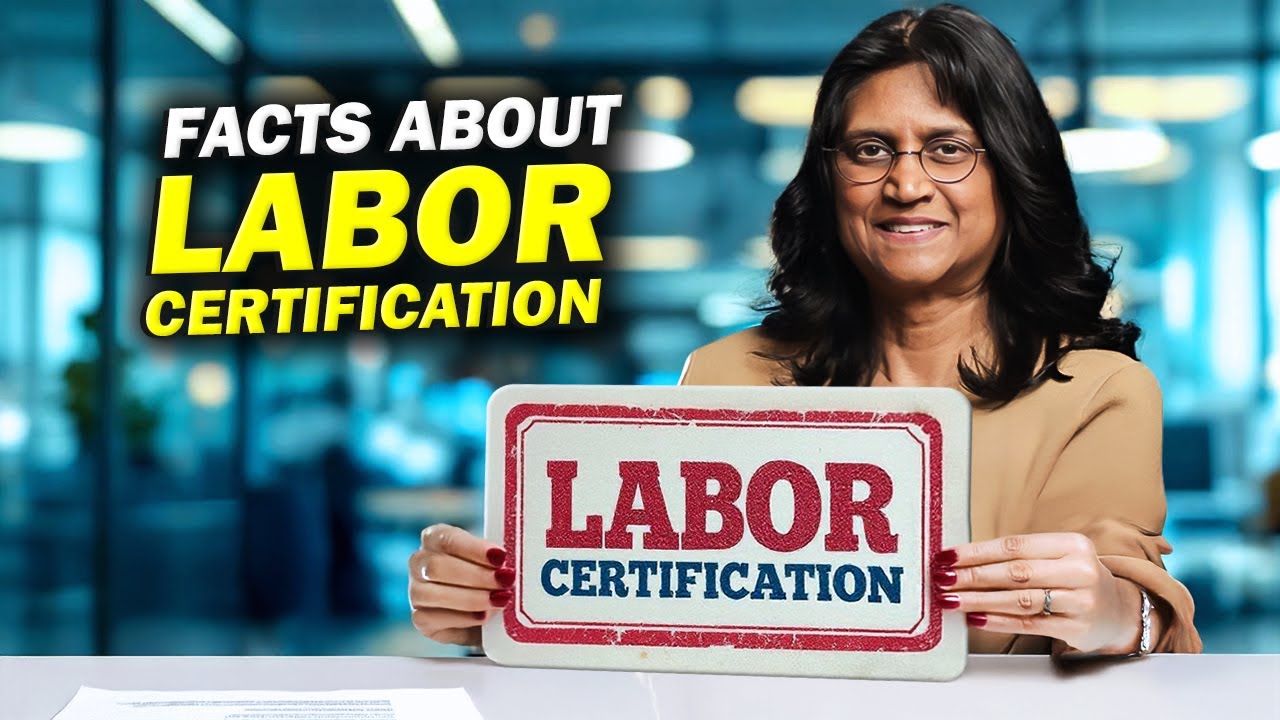
Navigating the complex world of U.S. immigration can be a daunting task, but for those with specialized skills and qualifications, the labor certification process offers a promising pathway to permanent residency. In this comprehensive guide, we’ll delve into the intricacies of labor certification, exploring its benefits, the application process, and the key factors that can make or break your case.
What is Labor Certification?
Labor certification is a crucial step in the employment-based green card application process, allowing foreign nationals to obtain permanent residency in the United States. The underlying premise is simple: if an employer can demonstrate that there are no qualified, willing, and available U.S. workers for a specific job, they can sponsor a foreign national for that position, paving the way for their permanent residence.
As Karlene Punancy, an experienced immigration attorney with over 35 years of experience, explains, “Labor certification is a wonderful process that allows you to become a permanent resident in the United States. The thing with labor certification is you need a sponsor. You need a company to sponsor you, or a household to sponsor you.”
The Role of the Employer Sponsor
The labor certification process hinges on the employer’s willingness and ability to sponsor the foreign national. This means the employer must demonstrate that they have made a genuine effort to recruit U.S. workers for the position and that the foreign national is the most qualified candidate for the job.
Karlene Punancy further elaborates, “If you’re working for a company, and you work as a chef, for example, in a restaurant, and the restaurant loves the way you work, and loves your food, and all the customers to the restaurant loves the way you cook, the company back. Chances are the company is going to sponsor you.”
However, the employer’s involvement doesn’t end there. They must also prove that they can pay the prevailing wage for the position, as determined by the Department of Labor. This ensures that the foreign national’s employment does not undercut the wages of U.S. workers in similar roles.
The Recruitment Process
The labor certification process requires the employer to undertake a thorough recruitment effort to demonstrate the lack of available and qualified U.S. workers for the position. This typically involves placing job advertisements in various media, such as newspapers and online job boards, and considering all applicants who respond.
As Karlene Punancy explains, “The employer has to put an ad in the paper to see if there are qualified Americans who can do the job. If there are qualified Americans who can do the job, the process gets a little bit more difficult. Usually they’re not, because the employer has the option to disqualify the American applicants in your favor.”
The employer can disqualify U.S. applicants if they do not meet the specific requirements of the job, such as the ability to travel or a preference for non-smokers. This allows the employer to demonstrate that the foreign national is the most qualified candidate for the position.
The Application Process
The labor certification application process is a multi-step endeavor that requires meticulous attention to detail. The employer must first obtain a prevailing wage determination from the Department of Labor, which sets the minimum salary they must offer for the position.
Next, the employer must conduct the recruitment process and document their efforts, including the reasons for rejecting any U.S. applicants. Once this is complete, the employer can submit the labor certification application to the Department of Labor for review and approval.
Karlene Punancy emphasizes the importance of following the process closely, stating, “It’s not complicated, it’s just detailed, and you have to follow all the little details, all the fine lines, to get this process approved.”
Overcoming Challenges
While the labor certification process can be a rewarding path to permanent residency, it is not without its challenges. One common obstacle is the employer’s willingness to sponsor the foreign national, as not all companies are open to the time and financial investment required.
As Karlene Punancy notes, “People say a lot of times, well, I don’t know if it works, because they’re not company. A lot of companies are not willing to sponsor. Yes, there are a lot of companies who are willing to sponsor. If you have a specialty, if there’s something special that you can do, and most people can’t do it, it could be even that you’re so organized, you’re a good business manager.”
Another challenge is the recruitment process itself, as the employer must demonstrate that there are no qualified U.S. workers available for the position. This can be particularly difficult in fields where there is a high demand for skilled labor.
Success Stories and Inspiring Examples
Despite the challenges, the labor certification process has helped countless individuals achieve their dreams of living and working in the United States. Karlene Punancy shares the story of one of her clients, a talented chef who specialized in authentic Mexican cuisine:
“I have a client who is a fantastic chef. He makes very, very authentic Mexican food, and it’s so fantastic that people will line up at that restaurant for miles just to go there to eat this special type of taco that he makes. And it’s really it’s really cool, because everybody knows about that restaurant. Nobody knows the chef, necessarily, but they know that the chef produces this kind of excellent food. And of course, the labor certification for him went flying because not many people were able to make this special type of taco that this chef makes. And of course, he wanted his case. He won his case, and he’s now a permanent resident. He was able to bring his entire family to the United States, and he’s working here.”
This success story highlights the power of the labor certification process in recognizing and rewarding individuals with unique and in-demand skills. By demonstrating the chef’s exceptional abilities and the lack of qualified U.S. workers, the employer was able to secure permanent residency for this talented individual and his family.
Karlene Punancy also shares examples of other successful labor certification cases, including those involving business managers, religious workers, and individuals with specialized skills that are in high demand but low supply among the U.S. workforce.
Preparing for the Journey
If you’re considering the labor certification process as a pathway to permanent residency, it’s essential to be well-prepared and work closely with an experienced immigration attorney like Karlene Punancy. Here are some key steps to take:
- Identify your unique skills and qualifications that set you apart from the general U.S. workforce.
- Find an employer who is willing to sponsor you and invest the time and resources required for the labor certification process.
- Work with your employer to ensure the recruitment process is conducted thoroughly and in compliance with all regulations.
- Maintain your legal status and employment throughout the labor certification process to avoid any complications.
- Stay informed about the latest updates and changes in immigration laws and regulations that may impact your case.
To learn more about the labor certification process and how it can benefit you, be sure to check out Karlene Punancy’s next video on the topic. You can also schedule a consultation with her law firm to discuss your specific situation and explore the best path forward.
Conclusion
The labor certification process offers a unique and promising pathway to permanent residency in the United States for those with specialized skills and qualifications. By understanding the intricacies of this process, working closely with a dedicated immigration attorney, and demonstrating your exceptional value to potential employers, you can unlock the door to a new life and career in the U.S.
Remember, the journey may not be easy, but with the right guidance and determination, the labor certification process can be your ticket to achieving your dreams of living and working in the United States. So, take the first step and explore this opportunity today.
Related Posts